
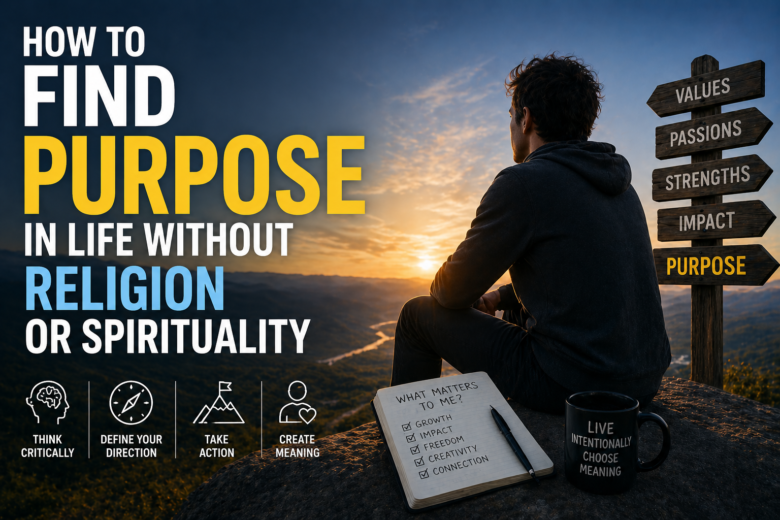
For most of human history, purpose was not something you had to figure out. It was given to you. Religion, culture, and social structures defined your role, your values, and often your entire trajectory. You didn’t question purpose—you inherited it. Today, that inheritance has largely collapsed, especially for people who prioritize logic, evidence, and intellectual …
Month: April 2026
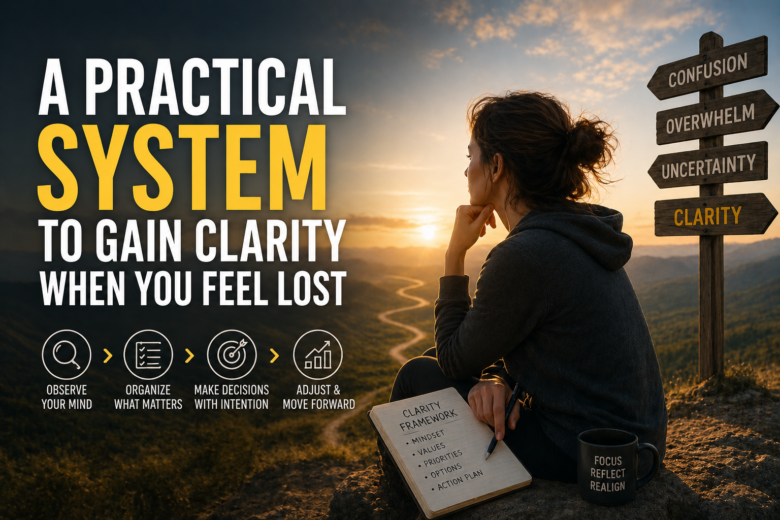
Modern life creates an unusual psychological condition: people have more information, more options, and more autonomy than ever before, yet they often feel more uncertain about their direction. This is not a contradiction in intelligence, but a structural issue in how the mind processes complexity without stable external frameworks. For individuals who are skeptical of …
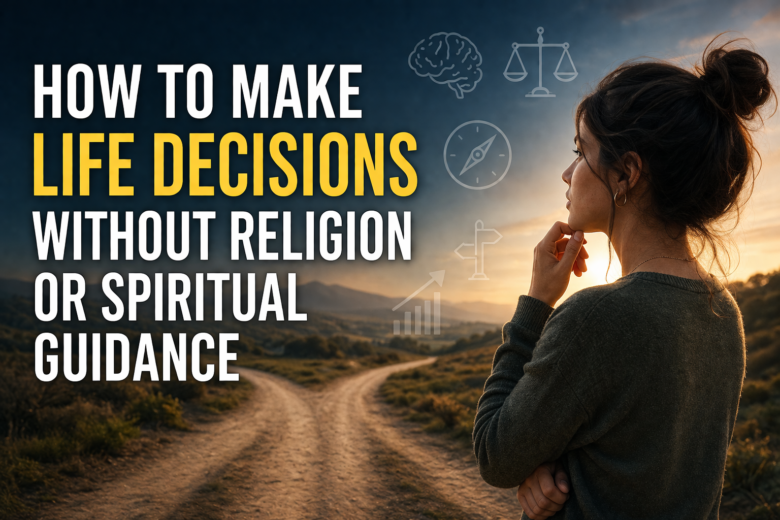
Modern individuals increasingly find themselves operating without inherited spiritual frameworks, yet still facing the same existential and practical decisions that those frameworks once claimed to solve. This creates a subtle but persistent cognitive tension: the need for guidance remains, while the traditional sources of that guidance no longer feel epistemically valid. For many skeptical thinkers, …
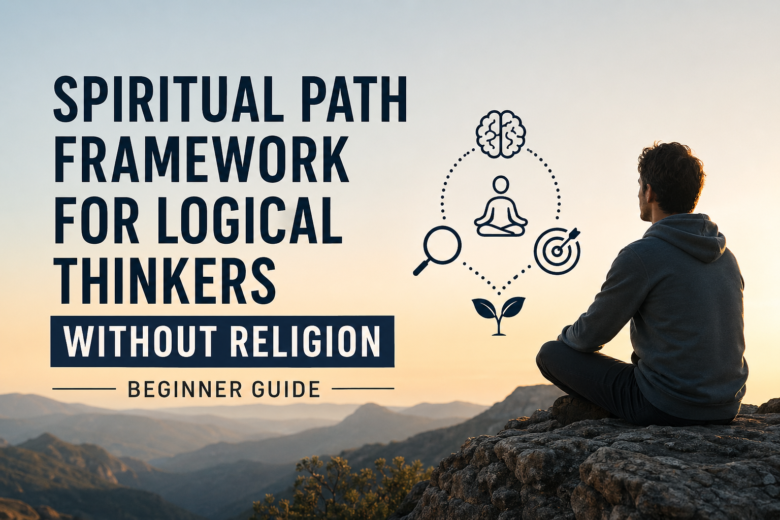
There is a specific kind of frustration that rarely gets articulated, especially among logical thinkers. It doesn’t come from a lack of interest in meaning or depth, but from repeated exposure to systems that demand intellectual compromise. You’re expected to accept before you understand, to trust before you verify, and to interpret ambiguity as wisdom. …
Most people assume that finding a spiritual path requires belief. Not just any belief, but belief in something intangible—religion, energy, or a higher force. For a skeptical mind, this creates immediate resistance. It does not feel grounded, testable, or logically consistent. Because of this, many people reject spirituality entirely. Not because they lack depth or …